Nascendo dal mondo della finanza, la sostenibilità aziendale dà molta importanza alla rendicontazione delle prestazioni economiche e no. Col tempo si sono affermati standard che rendono possibile la comparazione dei risultati delle varie organizzazioni e i governi nazionali e sovranazionali hanno imposto obblighi di rendicontazione non finanziaria per le imprese. L’Unione Europea, che ha iniziato a definire criteri per la redazione dei bilanci alla fine degli anni Settanta, più recentemente, con la direttiva 2014/95/EU, ha stabilito un quadro normativo uniforme per le informazioni non finanziarie per gli Stati membri.
La sfida è quella di trasformare il luogo di lavoro nell’ambiente dove è incoraggiato lo sviluppo della personalità delle persone che lo vivono. Il manager HSE deve maturare quella particolare visione e competenza tecnica, che sia in grado di supportare la propria organizzazione nell’analisi dei processi lavorativi, necessari a introdurre i cambiamenti finalizzati al miglioramento del benessere dei propri lavoratori.
La prima volta che sono entrato in un tunnel per lavoro è stato tanti anni fa. L’azienda per cui lavoravo stava scavando una galleria idraulica in Calabria. Il tunnel era scavato in una roccia che credo fosse granodiorite: un minerale in cui la massa scura è lumeggiata da intrusioni di cristalli di plagioclasio e di quarzo. Sotto la luce artificiale, le pareti della caverna scintillavano come nella miniera dei sette nani.
Poi sono passato a lavorare alle prime gallerie della variante autostradale di valico: grandi tunnel che andavano oltre i tredici metri di diametro, che però facevano molta più paura. L’ammasso in cui venivano scavati non aveva la stessa nobiltà di quello del piccolo tunnel in Calabria, ma era poco più di fango scuro consolidato. La galleria era un buco nero, che assorbiva tutta la luce delle fotoelettriche e si lavorava sempre nella melma fino alle caviglie. Le scarse caratteristiche meccaniche del materiale attraversato rendevano poi necessario adottare tecniche estremamente cautelative nei lavori. Pensateci anche voi: scavare un buco nel fango è molto diverso che farlo nel granito. E diverso, quando ci devi mettere degli uomini dentro, significa pericoloso. Molto.
I sollevamenti sono tra le operazioni più comuni in cantiere. Non ci sono solo le gru, ma anche le autogrù, i muletti, i sollevatori telescopici. Si solleva per scaricare il camion che porta le attrezzature o i materiali, per issarli ai piani o per calarli negli scavi. Le operazioni con le gru attirano sempre gli sguardi: anche chi passeggia per strada e vede una gru di un cantiere alzare qualcosa, si ferma per guardare volare nell’aria un cassone, un gruppo elettrogeno. Spesso con la bocca aperta per la meraviglia, come un bambino.
La costruzione di una grande opera infrastrutturale implica che una valanga di denaro si riverserà sul territorio in cui si svilupperanno i cantieri. Tanto andrà alle grandi imprese esecutrici, che hanno sede magari in un’altra nazione. Ma tanti soldi verranno distribuiti nelle aree dei lavori: gli operai e i tecnici non solo devono essere ospitati e sfamati, ma cercheranno anche di replicare una certa vita sociale, incontrandosi dopo il lavoro, passando il loro tempo assieme. E spendendo denaro.
Faccio il consulente da qualche anno, dopo averne lavorati oltre venti in grandi aziende: imprese di costruzioni e società di ingegneria. Il mio lavoro è quello di aiutare le imprese che vogliono migliorare le loro prestazioni nella qualità, salute e sicurezza, ambiente e sostenibilità, ovunque esse siano.
Avere cura di chi cura è l’indovinato titolo della recente pubblicazione dell’Organizzazione Mondiale per la Sanità (OMS), destinata sia ai governi che agli imprenditori del settore della salute.
When it comes to collecting data, it’s essential to reflect on the organization of the process. This reflection may occur when starting a new project or revising a management system. It’s also necessary to consider improving the system’s performance during the review phase. Sometimes, clients may analyze OHS performance indicators when selecting a contractor for major infrastructure projects. The contractor may be required to produce a report with specific content and well-selected indicators. However, different services may collect or request data without coordination within the contractor’s organization. This can lead to inefficiencies and decrease the authority of the services. Coordinating data collection efforts is crucial to avoid misinterpretation of its importance.
Globalization has led to the widespread use of Anglo-Saxon terminology in business, including “KPI.” Key Performance Indicators measure process performance and are often analyzed in corporate decision-making. The two main elements for identifying KPIs are:
that the indicator is measurable;
that the process is such that it is possible to intervene in it so that the defined indicator shows a variation.
Defining, collecting, and processing KPIs require three implicit requirements. Firstly, the organization must have the means and willingness to intervene. Secondly, the company must perceive the collection of indicators as necessary. Lastly, collecting information should be organized, where departments request the same information differently without proper communication. This confusing process can lead to a negative perception of the KPI collection process.
While Italy has clear standards for defining accidents at work and updating relevant parameters and indicators, international reporting needs more consistency. Most of the world calculates the injury frequency index as the number of injuries per million hours worked. However, North America and other areas that follow OSHA measure it as the number of injuries every 200,000 hours. This has caused confusion and inconsistency, as neither the ISO 2018 standard for occupational health and safety management systems nor related standards specifically address this issue.
Contrary to popular belief, there are well-structured international references that address and regulate this topic organically. It would be beneficial for our organizations to consider them.
The Global Reporting Initiative
The Global Reporting Initiative is a non-profit organization that assists companies, governments, and NGOs communicate their impact on the economy, environment, and society. They aim to develop standards that can be utilized by organizations of any size, type, or location to report on their sustainability performance. The GRI became an independent entity in 2002 and had its principles endorsed by the United Nations Environment Program (UNEP).
Many organizations now publish sustainability reports annually, not just a select few. Some see it as a commercial necessity to stay relevant, while others use it to demonstrate their commitment to sustainable development to various stakeholders. These reports are meant to show transparency and accountability, improve performance, and attract customers and investors. They were first created in the 1980s by the chemical industry to address severe image problems. Overall, sustainability reports should reflect an organization’s dedication to sustainable practices.
According to GRI, organizations that share information about their activities are responsible and transparent to their stakeholders. Reporting helps organizations manage their impact and become trustworthy and sustainable. GRI standards are divided into two levels.
universal standards, relating to the foundations of their use, to general explanations, identifiable as series 100 (101, 102, 103) and the management approach, series 200 (from 201 to 206);
specific standards for certain topics, divided into the environment (from 301 to 308) and economy and society (from 401 to 419). The standard for worker health and safety reporting is 403.
La particolarità del sistema legale britannico è tale da considerare le persone giuridiche capaci di commettere crimini allo stesso modo delle persone fisiche, per cui, nel passato, si sono verificati casi di organizzazioni indagate per Corporate Manslaughter. Uno degli esempi di scuola è il caso dell’Herald of Free Enterprise, il traghetto the affondò all’uscita del porto di Zeebrugge in Belgio, nel marzo del 1987, uccidendo 193 persone tra passeggeri ed equipaggio, anche se il processo si concluse con un verdetto di assoluzione.
Il Corporate Manslaughter and Corporate Homicide Act, una legge che ha innovato il concetto di omicidio colposo commesso da una organizzazione nella giurisprudenza britannica, è stata approvata nel 2007 per avere, tra i vari motivi, uno strumento più adeguato per sanzionare questi crimini quando sono commessi nell’ambito di grandi organizzazioni, dal momento che i tecnicismi delle norme in vigore fino ad allora, avevano mostrato qualche limite, fondamentalmente nella necessità di individuare una persona fisica responsabile della condotta criminale, per potere punire l’organizzazione.
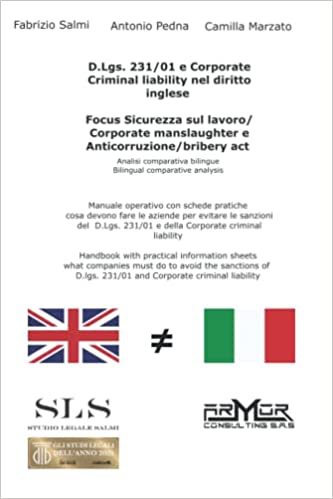
Puoi approfondire acquistando il volume D.Lgs. 231/01 e Corporate Criminal liability nel diritto inglese: Focus Sicurezza sul lavoro/Corporate manslaughter e Anticorruzione/bribary act scritto assieme a Fabrizio Salmi e Camilla Marzato.
Il documento “Foresight Study on the Circular Economy and its effects on Occupational Safety and Health”, “Studio di previsione sull’economia circolare e i suoi effetti sulla sicurezza e la salute sul lavoro” è un interessante pezzo a cavallo tra science fiction e manifesto politico. Gli scenari individuati per il 2040 variano da una età green del latte e del miele (The roaring 40s – fully circular and inclusive), alla descrizione di varie distopie, alcune più inquietanti delle altre.
One thing is easy to say: 2022 will not end the pandemic. Net of the possible variants, we will continue to perceive the consequences of COVID-19 for many years. In wealthier countries, infections and implications will decrease as the vaccine distribution progresses, but unfortunately, things will not go that way in the rest of the world. Even with the best intentions of international organizations and the most sensitive nations, it is unlikely that the process for the mass vaccination of all humanity, plus the need to repeat it after months, will eradicate the virus within the following year. Country closures, lockdowns and travel blocks will affect the world for some time yet. There will still be loss of life and turmoil in the economy, even more significant than what we are experiencing today. The consequences, however, will hit the poorest classes and countries the most worldwide.
To offset the economic consequences of the pandemic, the governments of the wealthiest countries and large international organizations are now setting up programs for the development of economies around the world, which will begin to manifest themselves in 2022. The counter-cyclical solution par excellence is the construction of new infrastructures, which are the basis for the development of commercial activities. We must therefore expect an increase in demand and circulation in the world of physical goods, from fuels to steel, but also of intangible ones, skills. Opportunities will open up both for established professionals, especially those who want to challenge themselves, and for young people who will enter the job market for the first time. The most competent and motivated ones will be those with the most opportunities.
The climate disruptions that we are all starting to notice, extreme unseasonal temperatures, weather phenomena that have never been seen in some geographic areas and the fact that this kind of news has entered the news mainstream are transforming these issues into ordinary conversation topics. The major international meetings, which until a few years ago were attended by environmental nerds and third-world activists, have become popular events such as Champions League finals or rock concerts. Sustainability has become accessible to everyone, who therefore pays those who can boast of it in popularity and visibility.
Large international organizations, multinationals, governments, and investment and development banks are beginning to perceive the possibility of obtaining a return from these issues. They are pushing for the concepts of corporate sustainability to expand from the top of large industries downwards along the whole supply chain. This is also influencing the definition of professional profiles: considering the environment in its extended meaning of what surrounds us, including air, water, land, natural resources, flora, fauna and humans and their relationships, has led to considering practical to integrate the management of health and safety at work and relations with interested parties into the skills of those involved in this discipline.
The new role of the ESHS manager, the acronym for Environmental, Social, Health and Safety, is being born, which sees the protection of health and safety as a part of environmental protection. It will replace those who deal “only” with HSE. To become suppliers or subcontractors of the international giants, which manage these rivers of money, a smaller company will have to adopt safer and more ecological working methods, certify its processes and be subject to controls by independent bodies appointed by the various levels of the client to which they respond: employer or main contractor. This will undeniably stimulate the preparation and updating of professionals and the competitiveness of companies, transforming itself into a factor of economic and social growth.
Are we on the eve of a new era of milk and honey? Will a new regenerated, sustainable, and supportive humanity emerge from the pandemic and climate crisis? Or will man not be able to ignore his legacy, the eternal homo homini lupus, man is the wolf of man? Maybe, sadly, is it just too late?
Well, one thing is for sure, we will not die of boredom.






 No PPE, no access beyond this point