Ho incrociato questo articolo interessante su come funziona un vaccino a RNA messaggero, del tipo di quello prodotto da BioNTech/Pfizer. Sono nato in una regione italiana, la Romagna, che ha prodotto due tipi umani, il vitellone e lo scazigné. Il primo è senza dubbio più famoso, ma il secondo è più nobile, con la sua voglia irrefrenabile di smontare le cose per capire come funzionano. Aristotele, con il suo “scire per causas” era senza dubbio uno scazigné.
I came across this interesting article about a messenger RNA vaccine works, like the one manufactured by BioNTech / Pfizer. I was born in an Italian region, Romagna, which has produced two human types, the “vitellone” and the “scazigné”. The first is undoubtedly more famous, but the second is more noble, with its unstoppable desire to tear things apart to understand how they work. Aristotle, with his “scire per causas” was undoubtedly a scazigné.
The BNT162b mRNA vaccine has this digital code at its heart. It is 4284 characters long, so it would fit in a bunch of tweets. At the very beginning of the vaccine production process, someone uploaded this code to a DNA printer (yes), which then converted the bytes on disk to actual DNA molecules.
L’internazionalizzazione è una realtà. L’economia non conosce frontiere e la necessità di inviare i lavoratori in missione all’estero, per durate più o meno brevi, è ormai una condizione comune a tante aziende italiane, di tutte le dimensioni. Le occasioni possono essere diverse: incontri di affari, nuovi stabilimenti, partecipazione a società locali, cantieri di costruzione, installazione o manutenzione di impianti. Il modo in cui gestire la sicurezza dei lavoratori impegnati all’estero può diventare un problema, e l’attuale pandemia di COVID-19 ha contribuito a complicare le cose.
Le fonti di informazione
Il primo passo per pianificare una missione all’estero è quello di fare una ricognizione delle leggi in vigore nel paese da visitare.
Valutazione dei fattori legati al sito
Una volta definito il panorama normativo, è necessario informarsi sulle condizioni locali che possono impattare sulle nostre attività: sicurezza personale, regime dei visti e dei permessi di lavoro, profilassi e vaccinazioni obbligatorie e consigliate, situazione sanitaria e possibilità di comunicare con l’estero.
Safety e security
Occorre considerare che la giurisprudenza ha iniziato a considerare rientranti nel perimetro delle responsabilità aziendali i rischi cui sono esposti i lavoratori all’estero in conseguenza dei viaggi e della presenza in aree con problemi di ordine pubblico, per non dire in zone di guerra. La cosiddetta “Sentenza Bonatti”, che nel gennaio del 2019 ha condannato i vertici dell’impresa di Parma per “cooperazione colposa in delitto doloso” per la morte di due dipendenti italiani rapiti in Libia, in questo caso ha fatto scuola.
La trasferta e il soggiorno
In ogni caso, anche nei paesi più tranquilli, l’azienda che invia lavoratori in trasferta dovrebbe pianificare i viaggi in modo da mantenere il contatto con i lavoratori in missione. In generale nella scelta del mezzo di trasporto le mere considerazioni economiche dovrebbero passare in second’ordine rispetto alla sicurezza del viaggiatore.
Alberghi e alloggi
Per missioni di breve durata, il soggiorno dovrà fare riferimento ad alberghi o altro tipo di ospitalità privata. La scelta dell’hotel deve essere improntata a criteri di igiene dell’alloggio e del vitto: in questo caso le grandi catene internazionali sono una relativa garanzia, anche nei paesi con gli standard più bassi. Nelle zone con problemi di ordine pubblico il consulente per la security potrà indicare quali sono le aree in cui è possibile alloggiare e quali quelle da cui è meglio tenersi a distanza, questione da tenere in considerazione anche nell’eventualità le persone in trasferta vogliano fare un po’ di turismo nel tempo libero, e visitare il luogo in cui si trovano.
Informazioni al personale
Lavorare in un paese straniero significa doversi confrontare con leggi e con mentalità che possono essere anche molto lontane da quanto siamo abituati, e solo persone con spiccate doti di apertura mentale e di flessibilità dovrebbero essere scelte per queste attività. Questa valutazione non è motivata solo da aspetti etici; ci sono importanti conseguenze pratiche in cui un’organizzazione può incorrere solo perché ha mandato la persona sbagliata nel paese sbagliato: rescissioni di contratti, ma anche incidenti, omicidi e arresti, causati da un approccio improvvido alle sensibilità dei locali, sono avvenuti in passato, e quindi potranno accadere anche in futuro.
Gestione delle emergenze
Un tema imprescindibile del lavoro all’estero è la necessità di potere fornire assistenza sanitaria ai propri lavoratori in qualsiasi momento, per cui la scelta di una assicurazione sanitaria internazionale è fondamentale. L’offerta ospedaliera nel mondo è molto varia, e le condizioni in cui questa viene erogata possono essere estremamente differenti da quanto noi siamo abituati.
Rapporti con le autorità locali
Quando la missione inizia a prendere consistenza, magari con l’apertura di un ufficio e la presenza continuativa di personale espatriato, è il momento di studiare come individuare e prendere contatto con le autorità locali che possono essere rilevanti per le attività svolte. Chiedere un incontro per presentarsi è una cosa che susciterà il loro apprezzamento, tantopiù se ci si trova in un’area remota, magari scarsamente popolata, dove anche la presenza di un piccolo gruppo di “forestieri” fa notizia.
Il COVID-19
Il COVID-19 ha introdotto una ulteriore criticità nella programmazione delle missioni dei lavoratori italiani all’estero. La pandemia ha investito tutto il mondo, ma il contagio si è sviluppato con modalità differenti in tempi differenti a seconda del paese. Ulteriori fattori di complicazione sono anche in modo in cui ha risposto sistema sanitario dei vari stati, nonché la capacità di raccogliere e processare le informazioni, unita ad una certa volontà politica di divulgarle o, al contrario, di mantenerle riservate.
Puoi leggere l’articolo completo sul numero 12 del 2020 di Igiene & Sicurezza del Lavoro.
Quando viaggiavo molto, prima della pandemia, mi ero reso conto che le istruzioni di sicurezza attiravano la mia attenzione solo quando erano raccontate in maniera divertente e interessante. Vorrei condividere questo video di Alaska Airlines, che vuole sensibilizzare sul comportamento da tenere per combattere l’infezione da COVID-19. Simpatico e che mi ha fatto tornare in mente le notti in discoteca da ragazzo, a ballare con i Men without hats.
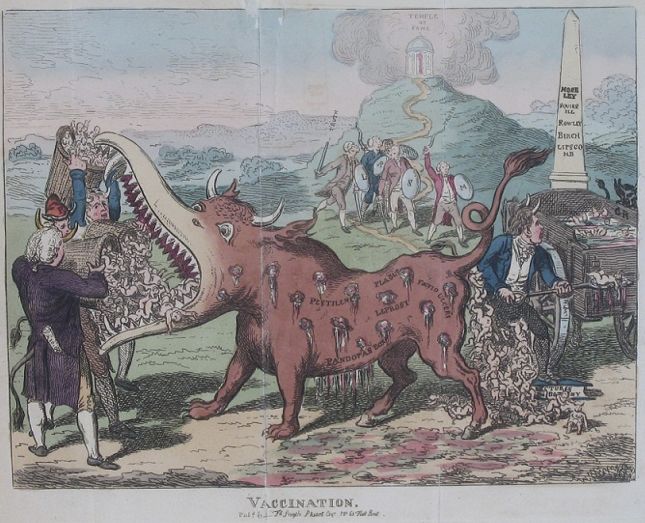
Vi segnalo questo articolo interessante. Intervista di Linda Varlese allo storico Gilberto Corbellini.
“Insieme all’acqua potabile, agli impianti fognari e ai frigoriferi, i vaccini sono lo strumento sanitario, in generale l’innovazione, che ha cambiato nel modo più rilevante la storia della salute umana.
On December 31st, 2019, the Beijing office of WHO, the World Health Organization, the UN health organization, was informed of some cases of pneumonia discovered in the city of Wuhan, Hubei province, China. On January 3rd, 2020, 44 cases were confirmed and the cause, a new type of Coronavirus, was isolated on January 7. Its genetic sequence was shared for study purposes on January 12th: COVID-19 (COronaVIrus Disease 2019) became official. On January 13th, the government of Thailand announced the first case of COVID-19 outside China, on January 15 it was the turn of Japan, on the 20 of the Republic of Korea. The first WHO report, on January 21, reported 282 confirmed cases, the next day 314. On January 23, the government of the People’s Republic of China imposed a lockdown on Wuhan and in the province of Hubei, in an attempt to quarantine the centre of the epidemic, blocking a population of 57 million people: only one person per household was allowed to go out to buy food, every two days. On the same day, the first case exported to the United States was ascertained, on the 25th two cases in the EU, in France, on the 28th in Germany.
How much has changed in the world of work since January 30th, 2020, when the WHO issued an “International Public Health Emergency” announcement?
The first thing that has certainly changed is the work itself. For many people it has simply disappeared, many companies have had to close, curtail, or suspend their activities. These are the ones that moved and brought people together, such as the tourism, hospitality, and entertainment industries. Other people, who have been fortunate enough to be able to continue working, have seen a new burden of concern associated with their business, such as health workers who have decided to leave their home to rent apartments where they can live alone, to protect their family members from the possibility of infection. The shop assistants and people in contact with the public, those who must use public transport to get to work. Remote work has imposed itself for all those activities for which it was possible, including school and university.
The procedures
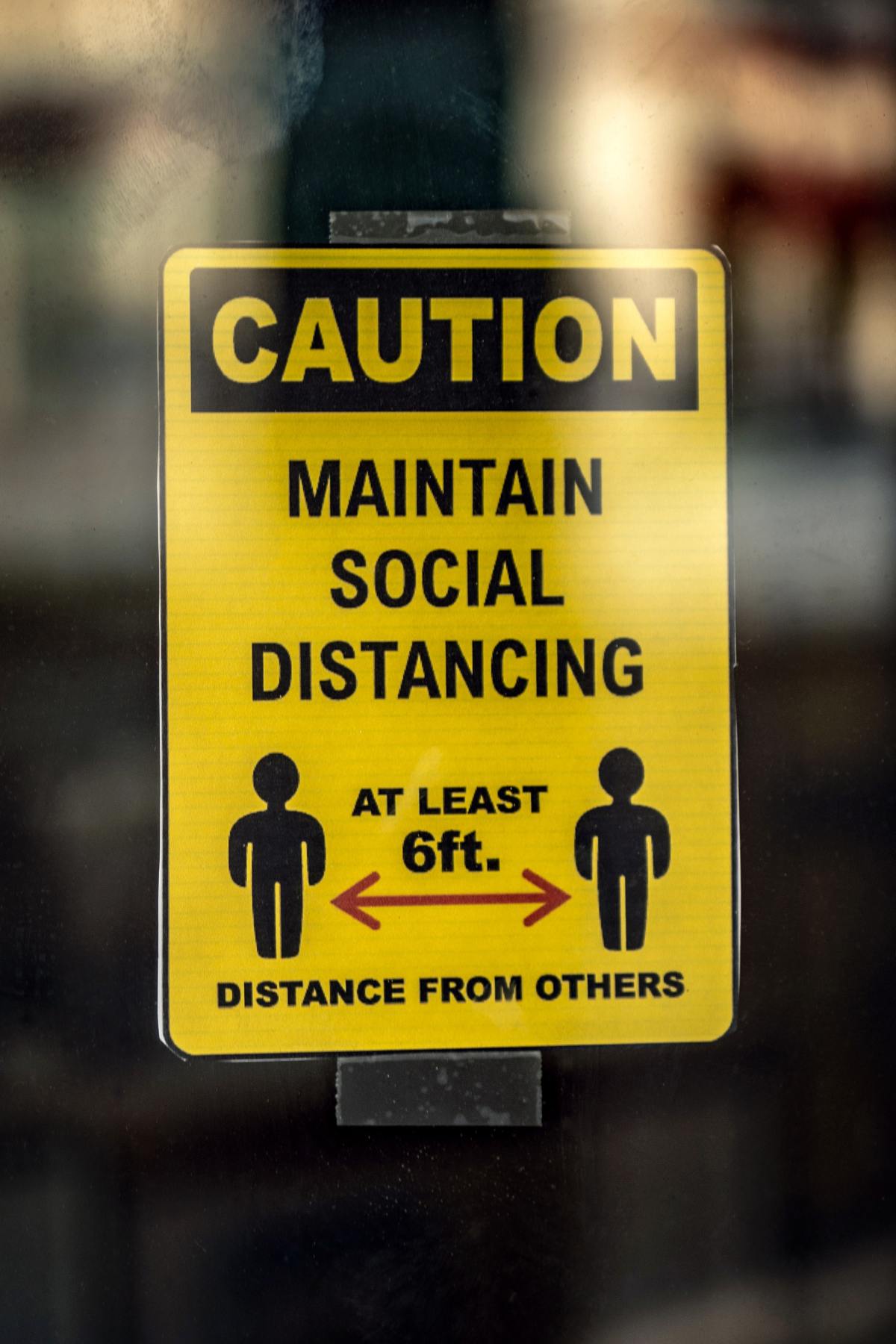
The obsessive respect for procedures, which once belonged to the most dangerous productive sectors, has extended to everyday work: we have defined rules, paths, new working methods. People in contact with the public must constantly remember to regularly sanitize their hands and objects that may have been touched by others and to respect personal distances and safety rules to avoid getting infected. Strict protocols have been defined for the mutual protection of workers.
The equipment
Strategies for the prevention of COVID-19 contagion have brought to the fore the need to use equipment beyond their usual field of application. Respiratory protection masks, for example, from personal protective equipment to be used only for some specific activities, have now become an article of clothing: it is impossible to circulate without. Similarly, face protection screens have spread, once used mainly by welders, those who used grinder machines and gardeners. Transparent protection barriers for shop assistants and operators exposed to the public are back in vogue, as in old post offices and work activities cannot do without hand sanitizing liquids and signalling tapes to delimit transit routes.
The psychology
The factor on which the COVID-19 pandemic has still had an incalculable impact is the psychological one. In recent months we have had to limit as much as possible the meetings with our loved ones, friends and relatives; learning to keep your distance when we meet another person, to the point of glaring at those who get too close to us on the subway or in the elevator. We must limit the trips from home to those strictly necessary, to go to and from work and buy food and necessities and we have had to undergo increasingly longer remote working sessions. In this way we had to exchange meetings with videoconferences, thus giving up a fundamental part of our being, sociality.
Sociality, then, which has become even more reduced and complicated for those who work from home: a certain neglect that takes us when we are not in contact with our fellow men has allowed us, little by little, to let the barriers that separate private life from work dissolve, also because, very often, the only human relationships that remain are those during work.
This pandemic has resulted in human losses, at the time of writing these notes there are nearly 58 million cases in the world, of which 1,372,182 fatal, and damage to our economies. The feeling is that, if it will be possible to recover from the latter, and the recoveries that have taken place in the various countries in the intervals between the various upsurge peaks, comfort this thought, we do not yet know how to assess the psychological damage that our societies are suffering.
It is to be hoped that, within a few years, the distribution of vaccines will allow us to return to the normalcy of our pre-pandemic life: travels, meetings. Probably, together with the acquired comforts of being able to make a videoconference instead of a trip or to shop online instead of lugging heavy shopping carts, we will have acquired new vulnerabilities in our human relationships. So, we must remember right now that a mature company cannot limit itself to mere compliance with the OHS standard: it must look at the worker as something more than a subject protected by law. He/she is rather the most valuable business asset, to be enhanced and enabled to develop its potential.
The business climate relating to interpersonal relationships within an organization will have to be analysed and made the subject of plans for its improvement, with training interventions on the various managerial levels, because a bad climate affects the productivity of workers. Even before the pandemic, research in the Republic of Ireland found that, during their working life, two out of five workers were subjected to unpleasant conditions such as obsessive checks, unreasonable workloads, impossible goals, or were denied important information for their work. One in three workers complained that they were intimidated, humiliated, and reproached in abusive terms. One in forty workers has experienced violent acts in the workplace. The pandemic is an opportunity to rethink structurally our organization and the way we relate each other for working purposes and correct these dynamics.
Il 31 dicembre 2019 l’ufficio di Pechino della WHO, la World Health Organization, l’organizzazione dell’ONU che si occupa di sanità, venne informato di alcuni casi di polmonite scoperti nella città di Wuhan, nella provincia dell’Hubei, in Cina. Il 3 gennaio 2020 i casi accertati erano 44 e la causa, un nuovo tipo di Coronavirus, fu isolata il 7 gennaio. La sua sequenza genetica venne condivisa per scopi di studio il 12 gennaio: diventava ufficiale il COVID-19 (COronaVIrus Disease 2019). Il 13 gennaio il governo della Thailandia rendeva noto il primo caso di COVID-19 al di fuori della Cina, il 15 gennaio era la volta del Giappone.
Oggi il Giappone sta affrontando la terza ondata; i dati più recenti, al 22 novembre, danno 2.514 contagiati al giorno e 11 (undici) decessi. In Italia sono stati 34.764 contagiati e 692 morti.
Si dice che il nostro elevatissimo numero di morti – siamo il 6° paese al mondo per decessi totali, ieri eravamo il quarto – sia dovuto ad una popolazione con una età media molto elevata. Ebbene, l’Italia ha il 7,38% della sua popolazione con più di 80 anni (l’8,69% il Giappone) e 80 morti ogni 100.000 abitanti. Il Giappone ne ha 2.
C’è qualcuno, ente governativo, università, che sta facendo un’analisi seria delle prassi internazionali che si stanno dimostrando più valide nel combattere la pandemia, per provare ad adattarle alla condizione italiana, o stiamo semplicemente navigando a vista?
When the OHS management system has been designed and implemented for the first time, the activities that have been carried out to meet the requirement have probably been recorded, even if the standard does not deem it necessary. It is time to go back to these notes to evaluate what deviation has occurred in recent months, due to the consequences of COVID-19. In particular, it is possible that the policies, objectives and strategies implemented to achieve them have changed, because undoubtedly a new goal is the organization’s ability to survive the pandemic; this condition, however, will have seriously damaged the ability to pursue one’s objectives, because necessarily the prevention and protection measures that had to be implemented will lead to a reduction in production capacity and a collapse in productivity, at least in the short term.
In the following, information management has shown once again to be a critical aspect in the management of our organizations, to identify the methods for controlling the contagion to be implemented in the organization – therefore from the outside inwards – as well as for make workers aware of the new ways in which to carry out their work, and then internal communication. Risk control measures will probably require the introduction of new apparatus or services, and the modification of premises and equipment and the form of work performance, contracts, tenders, supplies, working hours, including shifts, and other working conditions. All this, ça va sans dire, will change, indeed, it has already changed relations with workers, their perceptions and values and the culture of the organization.
Similarly, as regards external factors, the pandemic condition has already profoundly changed the cultural environment and, perhaps, the market, depending on the characteristics of the various companies and at each of the international, national, regional and local levels they develop their business processes. The economic crisis that we are already perceiving is likely to have as a consequence the distortion of the pre-crisis reference market, with the disappearance of old and the coming to the fore of new partners and competitors, as well as the appearance of new professions, figures in charge of management and control of technical and organizational countermeasures against contagion. All of this will lead to significant changes in key factors and trends for the business sector and in relationships with internal stakeholders and their perceptions and values.
It will also be interesting to update the assessment of requirement 4.2 Understanding the needs and expectations of workers and other interested parties: probably, depending on the size of the organization, its territorial relevance and the one of the partners, new interested parties could be identified as, for example, local health emergency management and transport services, with new needs and expectations to be met.
On the basis of these new considerations, it will be necessary to evaluate the possibility of revising the scope of application of the health and safety management system, to introduce new processes such as, for example, the management of home-work transport. This basis will make it possible to redesign the processes of the management system, to adapt it to the new conditions in which the organization will find itself working: upon confirmation or redefinition of the policy statement, the definition of new roles, responsibilities and authorities for the system management and the new requirements for the exercise of leadership in the organization.
Sarebbe stato bello, in questa contingenza di #COVID19, avere un piano da seguire: avere definito i possibili scenari ed individuato le possibili contromisure, in maniera da non rendere necessario perdere tempo a per mettersi d’accordo, quando i contagiati raddoppiano ogni dieci giorni, ma forse ogni sette o ogni cinque.
Does an organization that has implemented an OHS management system according to the ISO 45001:2018 standard, needs to learn a lesson from what happened to it, because of the COVID-19 epidemic? Certainly. The decision to adopt a management system is made on a voluntary basis; there are no laws that impose it. Those who have taken this step did so because they intended to undertake a virtuous path, which detaches them from the ground of the minimum regulatory requirements defined for the protection of the psychophysical integrity of the worker, with the aim of accessing a higher level of good practices. And it is certainly a good practice to evaluate what has changed since December 31, 2019, when the World Health Organization collected a statement from the Municipal Health Commission of Wuhan, in the People’s Republic of China, relating to cases of viral pneumonia.
To be precise, the management system should have given itself a process for controlling the change, even if the requirement 4.1.3 foresees the need to keep under control the planned changes, temporary and permanent, which have an impact on the performance of the OSH. in terms of organization and working conditions, however, there remains a need to re-examine the consequences of involuntary changes.
We are therefore in the situation in which our organizations have had to take countermeasures in a hurry as a result of the epidemic, very often under impromptu instructions, and must now plan a coexistence with the virus that is expected to be long and complicated. How to operate to make the most of the management system? The most powerful tool in this regard is the management review, defined in requirement 9.3 of the standard. This is a step that usually marks the conclusion of a Deming cycle and the start of a new one, but nothing prevents it from being used for a new planning of activities, as a consequence of an epochal event such as the one we are experiencing.
In this case, the main topic to be evaluated is listed under letter b) of the content list of a typical management review: changes in internal and external factors that are relevant to the management system for OSH. And then we return to requirement 4: the context of the organization.





 No PPE, no access beyond this point