
ISO – International Organization for Standardization, ha recentemente pubblicato la linea guida ISO/PAS 45005/2020 dal titolo Occupational health and #safety management — General guidelines for safe working during the COVID-19 pandemic.
Leggi il post su: HSE Manager Wolters Kluwer Italia – Pandemia: nuova linea guida internazionale
Categoria: Internazionale
HSE Manager Wolters Kluwer Italia: Il progetto ESTEEM | LinkedIn

ESTEEM ha come obiettivo quello di aumentare il livello di sicurezza nei cantieri edili in Europa, attraverso l’erogazione di interventi di formazione.
Leggi il post su HSE Manager Wolters Kluwer Italia: Il progetto ESTEEM
Webinar: ISO/TS 24179:2020 Human resource management — Occupational health and safety metrics
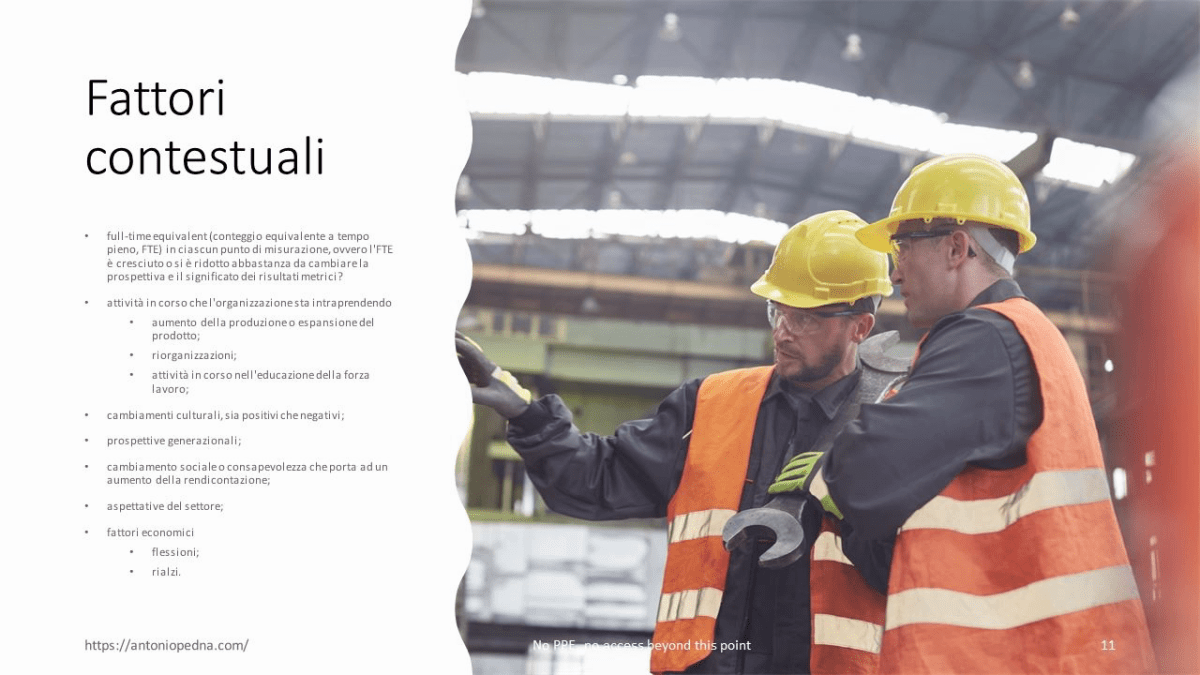
Pubblicata la registrazione del webinar di martedì 2 febbraio 2021
Nel luglio scorso, l’ISO (International Organization for Standardization) ha rilasciato lo standard ISO/TS 24179:2020 “Human resource management — Occupational health and safety metrics”, “Gestione delle risorse umane – Metriche di salute e sicurezza sul lavoro”. Il nuovo standard definisce le formule per il reporting interno ed esterno per ottenere misure comparabili per il monitoraggio e la misurazione delle prestazioni relative alla salute, sicurezza e benessere dell’organizzazione. La norma enfatizza le questioni che devono essere considerate nell’interpretazione dei dati, in particolare quando si specificano azioni o misure correttive o per affrontare opportunità e quando si comunicano a stakeholder interni (come lavoratori e partner) o esterni (come investitori e autorità di regolamentazione).
The fish rots from the head down – HSE People

Fish, according to popular wisdom, always rots from the head down. Consequently, regulations and standards insist on the involvement of top management in all business dynamics related to safety. Undoubtedly, top management defines the entire company policy, and therefore also that of safety. It establishes plans and programs for the future development of the organization, and it allocates resources. Making the long story short, top management makes the choices for the company’s strategy, in that never ending war which is the conquest of the market. Safety is just one of its various aspects; its relevance within the overall strategy of the organization can derive, for example, from the necessity to comply with the laws. However, this is the minimum degree; this kind of attitude will quickly present major limitations. For some divine curse, in fact, the law identifies the minimum expected behaviour to obtain a result, however, which is always the maximum: the complete protection of the psychophysical integrity of the worker. It is like a paradox of ancient Greek philosophy, whereby it is possible to reach the goal only when you decide to overcome it, which means that full compliance with the requirements of the standard can only be achieved by considering having to go beyond those.
When planning a goal of this kind, there is no need to be frightened by ethical considerations: there are markets in which the safety of workers and the protection of the environment are held in high regard, and companies that fail to take care of them cannot enter or have a short life. These are all those in which organizations are exposed to the action of large pressure groups, which may be such because they are made up of numerous subjects, such as consumer associations, or because they have great capacity for action, such as banks. For companies that decide to compete in these markets, complying with the law is only a starting point, because they know that their ability to do business will be greatly affected by the reputation they will be able to earn.
Once the management of an organization has defined the extent and objectives of its effort, whether it should limit itself to just obtaining compliance with legal standards, clearly for fear of the punishments that may be incurred, or whether it wants to go further, perhaps to access more profitable markets, it will have to adopt strategies to maximize the economical return. In this situation, we are led to focus on the technical and regulatory aspect, neglecting that the tendency of human groups to adapt to the messages and concrete behaviours of leaders, is an aspect that techno-geeks lead to underestimate. All this within any kind of organization, no matter how extensive, because the same dynamics present in any social sphere apply. A health, safety, and environment plan should therefore assign some resources to these issues, defining a communication strategy that has in the company management and in other leadership roles, such as elderly workers with respected experience, or young technicians of recognized competence, its own active testimonials.
The goal of an HSE communication strategy is undoubtedly to reinforce the importance of this aspect, in the eyes of all members of the community-organization, and it is pursued:
- Adopting widespread behaviours of compliance with the rules.
- Giving open support to those who respect them and to those who are committed to their control.
- Recalling anyone who does not respect these rules, in a constant and irrelevant way of the role they occupy in the organization.
Informal behaviours of peers and superiors have a great influence on the perception of how health, safety and environmental protection are taken into consideration in the workplace: in small and less structured companies, the management is close to production activities, so it must be directly involved in these tasks. In the more structured ones, it will be appropriate to plan public initiatives, to make explicit the support of the management.
These can be, for example, periodic inspections conducted by top management in the production areas, together with the safety manager and the department managers, to be able to promptly intervene on the conditions encountered, naturally respecting the rules in force, such as the use of PPE, the smoking ban, respect for transit and safety areas… These inspections should be conducted with a frequency such as to avoid any kind of preventive staging, so to show the working conditions as they actually are every day and to ensure the workers on the sincerity of the objectives.
To obtain the maximum result, it is advisable to implement a communication campaign: a program, and resources, for at least one year, will avoid the counterproductive effects due to the silent renunciation of any initiative, because no plan was made. The elements of the campaign may concern, for example:
- Incentive campaigns for the virtuous behaviour of workers, with bonuses paid directly to them or – better – money sums set aside by the company for social objectives, agreed with the workers themselves or their representatives.
- Periodic campaigns on issues relating to safety and the environment, perhaps with objectives related to work, such as cleaning an area, the maintenance of a machine.
- Bulletin board and poster communications.
- Meetings and, why not, parties.
You can read the whole article here: The fish rots from the head down – HSE People
La sicurezza dei lavoratori all’estero

Nella foto: Tbilisi, Georgia. La città alta.
L’internazionalizzazione è una realtà. L’economia non conosce frontiere e la necessità di inviare i lavoratori in missione all’estero, per durate più o meno brevi, è ormai una condizione comune a tante aziende italiane, di tutte le dimensioni. Le occasioni possono essere diverse: incontri di affari, nuovi stabilimenti, partecipazione a società locali, cantieri di costruzione, installazione o manutenzione di impianti. Il modo in cui gestire la sicurezza dei lavoratori impegnati all’estero può diventare un problema, e l’attuale pandemia di COVID-19 ha contribuito a complicare le cose.
Le fonti di informazione
Il primo passo per pianificare una missione all’estero è quello di fare una ricognizione delle leggi in vigore nel paese da visitare.
Valutazione dei fattori legati al sito
Una volta definito il panorama normativo, è necessario informarsi sulle condizioni locali che possono impattare sulle nostre attività: sicurezza personale, regime dei visti e dei permessi di lavoro, profilassi e vaccinazioni obbligatorie e consigliate, situazione sanitaria e possibilità di comunicare con l’estero.
Safety e security
Occorre considerare che la giurisprudenza ha iniziato a considerare rientranti nel perimetro delle responsabilità aziendali i rischi cui sono esposti i lavoratori all’estero in conseguenza dei viaggi e della presenza in aree con problemi di ordine pubblico, per non dire in zone di guerra. La cosiddetta “Sentenza Bonatti”, che nel gennaio del 2019 ha condannato i vertici dell’impresa di Parma per “cooperazione colposa in delitto doloso” per la morte di due dipendenti italiani rapiti in Libia, in questo caso ha fatto scuola.
La trasferta e il soggiorno
In ogni caso, anche nei paesi più tranquilli, l’azienda che invia lavoratori in trasferta dovrebbe pianificare i viaggi in modo da mantenere il contatto con i lavoratori in missione. In generale nella scelta del mezzo di trasporto le mere considerazioni economiche dovrebbero passare in second’ordine rispetto alla sicurezza del viaggiatore.
Alberghi e alloggi
Per missioni di breve durata, il soggiorno dovrà fare riferimento ad alberghi o altro tipo di ospitalità privata. La scelta dell’hotel deve essere improntata a criteri di igiene dell’alloggio e del vitto: in questo caso le grandi catene internazionali sono una relativa garanzia, anche nei paesi con gli standard più bassi. Nelle zone con problemi di ordine pubblico il consulente per la security potrà indicare quali sono le aree in cui è possibile alloggiare e quali quelle da cui è meglio tenersi a distanza, questione da tenere in considerazione anche nell’eventualità le persone in trasferta vogliano fare un po’ di turismo nel tempo libero, e visitare il luogo in cui si trovano.
Informazioni al personale
Lavorare in un paese straniero significa doversi confrontare con leggi e con mentalità che possono essere anche molto lontane da quanto siamo abituati, e solo persone con spiccate doti di apertura mentale e di flessibilità dovrebbero essere scelte per queste attività. Questa valutazione non è motivata solo da aspetti etici; ci sono importanti conseguenze pratiche in cui un’organizzazione può incorrere solo perché ha mandato la persona sbagliata nel paese sbagliato: rescissioni di contratti, ma anche incidenti, omicidi e arresti, causati da un approccio improvvido alle sensibilità dei locali, sono avvenuti in passato, e quindi potranno accadere anche in futuro.
Gestione delle emergenze
Un tema imprescindibile del lavoro all’estero è la necessità di potere fornire assistenza sanitaria ai propri lavoratori in qualsiasi momento, per cui la scelta di una assicurazione sanitaria internazionale è fondamentale. L’offerta ospedaliera nel mondo è molto varia, e le condizioni in cui questa viene erogata possono essere estremamente differenti da quanto noi siamo abituati.
Rapporti con le autorità locali
Quando la missione inizia a prendere consistenza, magari con l’apertura di un ufficio e la presenza continuativa di personale espatriato, è il momento di studiare come individuare e prendere contatto con le autorità locali che possono essere rilevanti per le attività svolte. Chiedere un incontro per presentarsi è una cosa che susciterà il loro apprezzamento, tantopiù se ci si trova in un’area remota, magari scarsamente popolata, dove anche la presenza di un piccolo gruppo di “forestieri” fa notizia.
Il COVID-19
Il COVID-19 ha introdotto una ulteriore criticità nella programmazione delle missioni dei lavoratori italiani all’estero. La pandemia ha investito tutto il mondo, ma il contagio si è sviluppato con modalità differenti in tempi differenti a seconda del paese. Ulteriori fattori di complicazione sono anche in modo in cui ha risposto sistema sanitario dei vari stati, nonché la capacità di raccogliere e processare le informazioni, unita ad una certa volontà politica di divulgarle o, al contrario, di mantenerle riservate.
Puoi leggere l’articolo completo sul numero 12 del 2020 di Igiene & Sicurezza del Lavoro.

The management of HSE documentation in construction companies – HSE People

Document management is a critical aspect in HSE systems in all kind of companies and especially in construction ones. Even more so, if they follow a management system, certified according to BS OHSAS 18001:2007, the new ISO 45001:2018 or ISO 14001:2015. Construction companies have the peculiarity that often their organization is temporary, linked to the needs of individual projects, and they have a weak supervision of corporate processes. This means that, even the big players, design the documentation management systems of their projects more according to the skills of the individual managers who have the good fortune to recruit, rather than because of well-considered corporate decisions. In the long run, this is proving to be a factor of weakness of these organizations, especially when they find themselves competing in the international market, where other organizations have made radical choices in this regard some years already.
Which documents
The management of documentation relating to safety and the environment in a construction company can be declined in various aspects; the main one concerns the ordinary management of documents functional to the definition of the company management system, their distribution, storage and withdrawal, in particular, of:
- policies;
- manuals;
- procedures
Then there are the records of the activities defined by company policies and procedures, such as:
- risk assessment;
- training;
- health surveillance;
- monitoring and measurements in the workplace;
- accident and injury investigation;
- internal reporting.
Policies and procedures can concern production, with the provision of instruments to organize and control key activities such as, for example:
- use, management and maintenance of machines and equipment;
- work permits;
- hot works;
- work at height;
- work in confined spaces.
- atmospheric emissions and discharges;
- waste management;
- noise;
- storage and use of hazardous materials.
Letters and communications of various kinds are also to be considered. For contracted activities, it is almost normal practice for the client to ask to be informed about plans and business processes, sometimes going so far as to subordinate the contractor’s operations to his approval of these. Furthermore, in these cases, the sharing of on-site monitoring data, letters and periodic reporting is a common practice.
Organization of the company and organization of the project
A company of this kind organizes its activity by projects, which means that the management of the documentation, its distribution, the collection of records and the reporting must have a first synthesis at this level, but must also be coordinated in more areas, department, territorial and corporate units.
Normally this type of activity is managed through the formal preparation of a set of more or less in-depth information, the actual application of which and the relative administration of records and reports is carried out with different degrees of informality which, it must be said, entail as many degrees of inefficiency. In recent years, however, the development of particular software platforms for sharing information and an increased need for competitiveness of companies, if not the specific requests of particularly professional clients, has led many of these to think about the adoption of PLM (Product Lifecycle Management) platforms, identifying the management of information related to the development of the project as a strategic factor for the success of the project.
A company that intends to equip itself with a tool of this kind, starting from the assumption that it has already implemented a management system, should first of all check the degree of formality with which this is applied: although PLM platforms have dramatically evolved in recent years in terms of simplicity and user-friendliness, their use still involves a certain level of discipline in the company. For an organization that manages its processes widely in an unofficial way, switching to a setting of all processes in this way can be too big a mouthful, which will simply be ignored by operators, who are faced with the need to radically change their way to work, they will continue to behave as they always had.
Therefore, it is better to privilege an introduction step by step, and then the circumstances will help to define the priorities: if it is a conveniently planned improvement measure, you can start from the highest level or strategic processes, and then expand the system to the rest of organization. It may happen that the need to adopt a system of this kind comes from external solicitations: a customer or a partner. In this case it will be necessary to make a virtue of necessity, and our plans will be dictated from the outside.
A phased approach
In any case, it would be advisable for the introduction of a PLM system, even limited to only some business processes, not to prescind from a broader evaluation and planning. This should serve to avoid the adoption of solutions without the possibility of development, closed in on themselves.
Originally published on HSE People.
Comunicare il COVID-19

Fin dall’inizio, la comunicazione si è mostrata un elemento strategico per la gestione della pandemia, a tutti i livelli. Per le lunghe settimane di marzo, aprile e maggio, fino a che la curva dei contagi prima, e dei morti poi, hanno iniziato a tendere verso il basso, tanti italiani angosciati hanno atteso la conferenza stampa delle 18, quando la protezione civile comunicava i dati della giornata. Comunicare significa letteralmente rendere comune, condividere, e quindi non ci si riferisce solo alle informazioni, alle nozioni di utilizzazione pratica. Si condividono anche gli stati d’animo, le paure e le speranze. C’è un registro formale, che procede attraverso canali ben identificati e tenuti sotto controllo, ma c’è anche quello informale, che un’organizzazione, ma anche un professionista, devono tenere sotto controllo, perché può supportare, o affossare irrimediabilmente, il contenuto che con tanta fatica si è predisposto per il registro principale.
Cosa dire, però, di coloro che hanno mostrato la loro ingenua impreparazione alla guida della cosa pubblica? A prescindere dai contenuti degli atti di governo, in un contesto sociale la comunicazione informale che ha origine negli atteggiamenti mostrati dai leader ha grande influenza nei comportamenti adottati dal pubblico: mostrarsi apertamente refrattari alle misure necessarie al contenimento della pandemia, l’uso della mascherina, il mantenimento delle distanze, anche solo in occasione di riunioni e conferenze stampa, così come quando si viene ripresi circondati da collaboratori, ha fatto passare il messaggio informale che la situazione non è seria e che quindi non è il caso di preoccuparsi delle precauzioni. Un comportamento appena un ette meno grave di quello dei demagoghi.
Leggi l’articolo sul supplemento del numero 8-9/2020 di Igiene & Sicurezza del Lavoro.


CDM 2015 for Italians
La conoscenza della normativa locale è fondamentale per quelle imprese italiane che hanno interessi all’estero. Da queste considerazioni nasce il seminario “CDM 2015 for Italians”, che oggi ho tenuto presso un’azienda che sta sviluppando le sue attività in particolare nel Regno Unito, dove abbiamo esaminato gli obblighi e le responsabilità della normativa britannica su salute e sicurezza, approfondendo l’analisi delle Construction and Design Management Regulations 2015, il recepimento inglese della Direttiva 92/57/CE sui cantieri temporanei e mobili.
Se volete approfondire anche voi vi segnalo Sicurezza e progettazione nel Regno Unito: alla scoperta della regola CDM 2015 e Gli inglesi lo fanno meglio!
Next generation UE

In Italia abbiamo la mania di usare la lingua inglese, per sembrare più fichi, più cool. Il “#Recoveryfund”, questo strumento finanziario mitologico che inonderà la nazione di danari per risolvere tutti i nostri problemi non si chiama, in effetti “fondo per la #ripresa”; il suo nome ufficiale è “Next Generation EU”. In effetti, intitolare un fondo per la ripresa alla prossima generazione dell’Unione Europea è una scelta che la dice lunga sugli obiettivi che dobbiamo porci: come vogliamo lasciare l’Europa ai nostri figli? Next Generation, dice la Commissione, si basa su tre pilastri. Il primo è quello di sostenere la ripresa degli stati membri, attraverso programmi specifici come rescUE, per rafforzare la risposta alle calamità naturali delle strutture di protezione civile, REACT-UE, per le politiche di coesione per un recupero sostenibile e digitale. Il secondo è rilanciare l’economia e sostenere gli investimenti privati, con InvestEU, il nuovo programma per incrementare finanziamenti su crescita e occupazione. Il terzo pilastro è trarre insegnamenti dalla crisi.
Antonio Pedna | LinkedIn
To my professional network: Turkey, Middle East and North Africa

As I spend most of the year in Turkey, for family reasons, I would like to inform my professional network that I am available for freelance positions as a QHSSE consultant, auditor, trainer or for support for quality, health and safety and environment management systems, in English, in Izmir, Istanbul, Ankara or elsewhere in Turkey. I am also available to travel and work transfers from here to the Middle East and North Africa.
Tesekkurler ederim.
 No PPE, no access beyond this point