Il blog

A Case of Misplaced Loyalty: the Employer – Worker Relationship – HSE People

It has been said that, in recent years, great progress has been made in the safety of work environments and equipment, as well as in the materials used. We have devised increasingly refined rules on how to organize companies, work environments, work processes and their interrelations, on how to train workers in various activities.

Sometimes, this effort was not matched by a similar decrease in accidents and injuries. The weak point seems to be the human factor: every now and then, workers are their own main enemies, because they resist the adoption of good safety practices in the workplace.

The worker, consciously or unconsciously, can engage in behaviours that result in little or no support for good safety practices. One of the most relevant issues in this respect is the relationship with the hierarchy, with the employer.

The worker, at times, develops a feeling of misunderstood loyalty with the employer which, often in small organizations, is perceived as “close”. These are those conditions in which, for example, safety is seen as a productive and economic burden, and the worker lends himself to relieving the employer, in part or in whole, of this burden. Often the company, the organization, is perceived as an extension of the family, and laws, regulations, and inspections, are seen as something that disturbs their tranquillity. For example, there are known cases of workers reluctant to apply for recognition of an occupational disease because of exposure to asbestos, given that they have developed a friendship with their employer for decades. Of course, the process by which safety is treated as a trivial matter, and of little importance, can take place in the good faith of the employer, with the misunderstanding of the informal messages it sends out. If the employer is more inclined to make observations relating to the time taken to work or to complain about the economic weight of running a business, and never reminds his collaborators to comply with safety regulations, it is normal that the latter are more careful to improve their work performance, rather than following the rules for safe execution.

Not to mention the messages that are explicitly issued by the employer or by the entire hierarchical chain: the underestimation of the dangers, the commiserating devaluation of everything concerning safety in the workplace, such as people, PPE, rules, are a tremendous example.

Returning to workers, the older or more experienced ones can sometimes refuse to adopt safe working practices for two reasons: the first is when it comes to the introduction of new activities, equipment or procedures, due to the natural resistance to innovation that characterizes the majority of people. But the problems may also be due to the claim, widespread among the most experienced workers, that their experience or the skills they have achieved can give them better control of operations. This is the reason for several accidents, due to lightness, to the fact that it was decided to follow a shortcut with respect to ordinary practice, to impromptu changes made on equipment and machines.

At the other end of the experience, younger and less experienced workers are prone to lukewarmly accepting safety practices in the company because they are still disoriented, due to their lack of experience in the tasks and in the workplace: they have not yet evaluated the “measure” with which to relate in the company; whether their attitude will be considered acceptable or will they be regarded as troublemakers. The low evaluation they have of themselves is also relevant, especially when they are at the beginning of their career and occupy the humblest jobs: they consider any working condition acceptable, especially in conditions of joblessness, with gratitude because, precisely, they must gain experience.

A relevant aspect of the opposition, open or creeping, of workers to the use of good safety practices is a consequence of a recurring condition in human groups: the herd effect, when the personal critical capacity is completely cancelled while waiting for orders. And since a significant part of the behaviours that can be observed in the workplace can be the consequence of informal messages such as conducts, which workers observe or infer from company management, it becomes essential for this to be aware of the importance of behaving in public consistent with the objectives of the organization’s policy, considering that every occasion is important to give a message.

Clearly, it is the responsibility of the company management, in planning related to the OHS management, to bear in mind that these factors can have a heavy impact on the result. Whether the goal is the minimum, that is, compliance with the law, the more so if more ambitious goals are set.

Follow this link to read the full article: A Case of Misplaced Loyalty: the Employer – Worker Relationship – HSE People

ISO 45001 requisito 7 – le risorse per il sistema di gestione della sicurezza

Nella foto: Settembre 2013, i lavori di ampliamento sotto traffico della galleria Montedomini sull’Autostrada A14.

La decisione di intraprendere il percorso di costruire o modificare i propri processi di business in relazione ai requisiti dello standard ISO 45001, se non addirittura di puntare alla certificazione del sistema di gestione per la salute e la sicurezza, è una questione che può impegnare anche in maniera rilevante il presente ed il futuro prossimo delle organizzazioni che affrontano questo passo. Una valutazione delle risorse da utilizzare per la costruzione e per garantire il funzionamento del sistema di gestione è doverosa, soprattutto perché il pericolo è quello di lanciarsi in un’avventura senza avere la concreta possibilità di raggiungere gli obiettivi che ci si pone. Il capitolo 7.1 Risorse dello standard definisce i requisiti da rispettare, intese come le persone dedicate al sistema di gestione, ma anche infrastrutture (locali, attrezzature, mezzi di trasporto), in termini abbastanza generici, sufficienti però ad indirizzare l’analisi su quello che efficacemente contribuisce al successo del sistema di gestione. Alcune di queste specifiche, in particolare quelle relative alla competenza delle risorse strategiche per le prestazioni del SSL, vengono approfondite dai capitoli successivi.

Quali risorse

Occorre però considerare che l’accesso alle risorse più appropriate, potrà influenzare non solo il modo in cui il sistema di gestione sarà amministrato, ma anche e soprattutto come esso sarà progettato e determinati i suoi obiettivi. Nei sistemi di gestione costruiti secondo L’High Level Structure – il modello per questi standard elaborato dall’ISO – l’analisi del contesto dell’organizzazione definita dal capitolo 4, con le due specifiche relative alla comprensione dell’organizzazione e del suo contesto e alla comprensione delle esigenze e delle aspettative dei lavoratori e di altre parti interessate, è il momento in cui vengono definiti gli obiettivi, individuati i mezzi necessari e vengono analizzati quelli in possesso dell’organizzazione stessa. Onde evitare di eseguire analisi superficiali, che inevitabilmente impedirà di ottimizzare gli obiettivi, costruendo un sistema di gestione lontano dall’ottimizzazione dei processi, sarebbe opportuno assicurarsi il supporto di una persona esperta, esterna all’organizzazione per il supporto a queste attività. L’assenza del coinvolgimento nelle dinamiche interne dell’organizzazione, nonché l’attribuzione di un incarico ben definito e limitato al supporto per la progettazione del sistema di gestione, dovrebbero essere la garanzia di un punto di vista distaccato ed imparziale, e perciò funzionale agli obiettivi dello standard.

Leggi l’articolo ISO 45001: impossibile senza risorse adeguate sul numero 11/2020 di Ambiente & Sicurezza.

Gestione del rischio e genesi dell’errore umano nel metodo di Reason – Teknoring

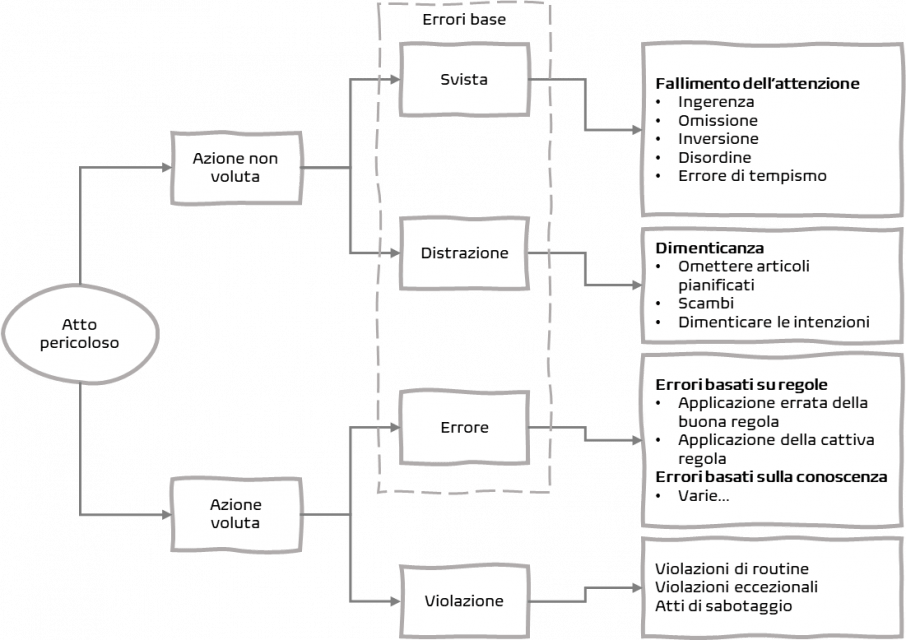
L’atto pericoloso, dice Reason, può essere voluto o non voluto. Gli atti involontari possono essere classificati in sviste, distrazioni o errori, a seconda di come si è generata la deviazione. È una svista quando si scambia un’azione per un’altra, evidentemente per un deficit dell’attenzione. Quante volte siamo usciti di casa prendendo il mazzo di chiavi sbagliate, ad esempio? O abbiamo preso l’attrezzo sbagliato dal bancone, fidandoci della memoria della sua posizione? Si tratta di una dimenticanza, invece, quando, letteralmente, dimentichiamo uno o più passi di un particolare procedimento. O, magari, quando, a metà del lavoro ci rendiamo conto di avere perso di vista l’obiettivo con cui avevamo iniziato.

Leggi l’articolo Gestione del rischio e genesi dell’errore umano nel metodo di Reason su Teknoring

HSE Manager Wolters Kluwer Italia: La cultura della sicurezza | LinkedIn

La cultura della sicurezza è il potente strumento che è necessario per affrontare e risolvere i problemi tecnici e organizzativi, e per garantire il mantenimento delle buone condizioni di lavoro raggiunte.

Leggi il post su HSE Manager Wolters Kluwer Italia: La cultura della sicurezza

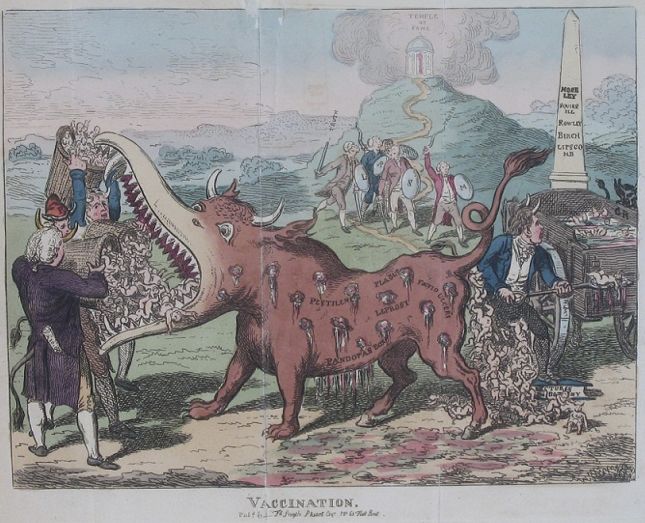
Cadaveri, brodaglie e sieri hi-tech: storia di vaccini e no-vax | L’HuffPost

Vi segnalo questo articolo interessante. Intervista di Linda Varlese allo storico Gilberto Corbellini.

“Insieme all’acqua potabile, agli impianti fognari e ai frigoriferi, i vaccini sono lo strumento sanitario, in generale l’innovazione, che ha cambiato nel modo più rilevante la storia della salute umana. 

Cadaveri, brodaglie e sieri hi-tech: storia di vaccini e no-vax | L’HuffPost

OHS: what has the pandemic changed? – HSE People

On December 31st, 2019, the Beijing office of WHO, the World Health Organization, the UN health organization, was informed of some cases of pneumonia discovered in the city of Wuhan, Hubei province, China. On January 3rd, 2020, 44 cases were confirmed and the cause, a new type of Coronavirus, was isolated on January 7. Its genetic sequence was shared for study purposes on January 12th: COVID-19 (COronaVIrus Disease 2019) became official. On January 13th, the government of Thailand announced the first case of COVID-19 outside China, on January 15 it was the turn of Japan, on the 20 of the Republic of Korea. The first WHO report, on January 21, reported 282 confirmed cases, the next day 314. On January 23, the government of the People’s Republic of China imposed a lockdown on Wuhan and in the province of Hubei, in an attempt to quarantine the centre of the epidemic, blocking a population of 57 million people: only one person per household was allowed to go out to buy food, every two days. On the same day, the first case exported to the United States was ascertained, on the 25th two cases in the EU, in France, on the 28th in Germany.

How much has changed in the world of work since January 30th, 2020, when the WHO issued an “International Public Health Emergency” announcement?

The work

The first thing that has certainly changed is the work itself. For many people it has simply disappeared, many companies have had to close, curtail, or suspend their activities. These are the ones that moved and brought people together, such as the tourism, hospitality, and entertainment industries. Other people, who have been fortunate enough to be able to continue working, have seen a new burden of concern associated with their business, such as health workers who have decided to leave their home to rent apartments where they can live alone, to protect their family members from the possibility of infection. The shop assistants and people in contact with the public, those who must use public transport to get to work. Remote work has imposed itself for all those activities for which it was possible, including school and university.

The procedures

The obsessive respect for procedures, which once belonged to the most dangerous productive sectors, has extended to everyday work: we have defined rules, paths, new working methods. People in contact with the public must constantly remember to regularly sanitize their hands and objects that may have been touched by others and to respect personal distances and safety rules to avoid getting infected. Strict protocols have been defined for the mutual protection of workers.

The equipment

Strategies for the prevention of COVID-19 contagion have brought to the fore the need to use equipment beyond their usual field of application. Respiratory protection masks, for example, from personal protective equipment to be used only for some specific activities, have now become an article of clothing: it is impossible to circulate without. Similarly, face protection screens have spread, once used mainly by welders, those who used grinder machines and gardeners. Transparent protection barriers for shop assistants and operators exposed to the public are back in vogue, as in old post offices and work activities cannot do without hand sanitizing liquids and signalling tapes to delimit transit routes.

The psychology

The factor on which the COVID-19 pandemic has still had an incalculable impact is the psychological one. In recent months we have had to limit as much as possible the meetings with our loved ones, friends and relatives; learning to keep your distance when we meet another person, to the point of glaring at those who get too close to us on the subway or in the elevator. We must limit the trips from home to those strictly necessary, to go to and from work and buy food and necessities and we have had to undergo increasingly longer remote working sessions. In this way we had to exchange meetings with videoconferences, thus giving up a fundamental part of our being, sociality.

Sociality, then, which has become even more reduced and complicated for those who work from home: a certain neglect that takes us when we are not in contact with our fellow men has allowed us, little by little, to let the barriers that separate private life from work dissolve, also because, very often, the only human relationships that remain are those during work.

What to expect from the future?

This pandemic has resulted in human losses, at the time of writing these notes there are nearly 58 million cases in the world, of which 1,372,182 fatal, and damage to our economies. The feeling is that, if it will be possible to recover from the latter, and the recoveries that have taken place in the various countries in the intervals between the various upsurge peaks, comfort this thought, we do not yet know how to assess the psychological damage that our societies are suffering.

It is to be hoped that, within a few years, the distribution of vaccines will allow us to return to the normalcy of our pre-pandemic life: travels, meetings. Probably, together with the acquired comforts of being able to make a videoconference instead of a trip or to shop online instead of lugging heavy shopping carts, we will have acquired new vulnerabilities in our human relationships. So, we must remember right now that a mature company cannot limit itself to mere compliance with the OHS standard: it must look at the worker as something more than a subject protected by law. He/she is rather the most valuable business asset, to be enhanced and enabled to develop its potential.

The business climate relating to interpersonal relationships within an organization will have to be analysed and made the subject of plans for its improvement, with training interventions on the various managerial levels, because a bad climate affects the productivity of workers. Even before the pandemic, research in the Republic of Ireland found that, during their working life, two out of five workers were subjected to unpleasant conditions such as obsessive checks, unreasonable workloads, impossible goals, or were denied important information for their work. One in three workers complained that they were intimidated, humiliated, and reproached in abusive terms. One in forty workers has experienced violent acts in the workplace. The pandemic is an opportunity to rethink structurally our organization and the way we relate each other for working purposes and correct these dynamics.

Follow this link to read the full article: OHS: what has the pandemic changed? – HSE People

Photo by Yaroslav Danylchenko from Pexels

Controllare i lavoratori a distanza: crescono le “sentinelle degli smart workers” | HuffPost Italia Life

Sono le “sentinelle dello smart worker”, quelle che controllano – col fucile spianato dall’altra parte dello schermo – che il lavoratore da remoto sia costantemente produttivo. Si tratta delle app per il controllo a distanza dei dipendenti e negli Stati Uniti sono sempre di più: si va da quelle che comunicano ai capi dati sui siti web consultati a quelle che fanno gli screenshot delle schermate. E ora ci si mette anche Microsoft: un nuovo tool, chiamato Productivity Score, annunciato durante la conferenza annuale degli sviluppatori, mostra ai datori di lavoro come i propri dipendenti utilizzano i servizi di Microsoft 365 come Outlook, Teams, SharePoint e OneDrive. Ma può esistere uno smart working senza controllo sulla vita delle persone? Secondo Michel Martone, giurista e accademico, autore del libro “Il lavoro da remoto – Per una riforma dello smart working oltre l’emergenza”, sì: “Il datore di lavoro ha bisogno di controllare – spiega ad HuffPost – ma dovrebbe controllare i risultati del lavoro, non la persona”.

Controllare i lavoratori a distanza: crescono le “sentinelle degli smart workers” | HuffPost Italia Life

Fino a prima della pandemia lo smartworking non era particolarmente diffuso nel nostro paese e, quando lo era, si trattava per lo più di lavoratori con qualifiche medio alte, le cui mansioni erano caratterizzate in qualche modo da elevati gradi di indipendenza. La diffusione di questa modalità lavorativa ha fatto diventare impellente il problema del controllo dell’attività lavorativa.

Ebbene, è il caso di ricordare ai datori di lavoro, prima di intraprendere iniziative avventurose, che in Italia è ancora in vigore l0 Statuto dei lavoratori. In particolare, questo è il contenuto dell’articolo 4 della Legge 20 maggio 1970 numero 300:

1. È vietato l’uso di impianti audiovisivi e di altre apparecchiature per finalità di controllo a distanza dell’attività dei lavoratori.

2. Gli impianti e le apparecchiature di controllo che siano richiesti da esigenze organizzative e produttive ovvero dalla sicurezza del lavoro, ma dai quali derivi anche la possibilità di controllo a distanza dell’attività dei lavoratori, possono essere installati soltanto previo accordo con le rappresentanze sindacali aziendali, oppure, in mancanza di queste, con la commissione interna. In difetto di accordo, su istanza del datore di lavoro, provvede l’Ispettorato del lavoro, dettando, ove occorra, le modalità per l’uso di tali impianti.

Cosa significa in pratica? Significa che apparecchiature per il controllo a distanza dei lavoratori sono ammissibili solo se siano presenti tutti questi requisiti:

  1. sono richiesti da esigenze organizzative o produttive oppure (ovvero) dalla sicurezza del lavoro;
  2. sono stati adottati in accordo con le rappresentanze sindacali, oppure con la commissione interna. Nelle aziende in cui queste organizzazioni non esistono, occorre chiedere il parere dell’Ispettorato del lavoro, che potrà fornire indicazioni.

Cosa voglio dire con questo? Che esiste un problema e che dovrà essere affrontato nel rispetto della legge. Il tutto anche se i nostri attuali governanti hanno mostrato più volte la loro sciatteria nel rapporto con le norme, basti ricordare l’infinita telenovela sul ritiro della concessione ad Autostrade per l’Italia, con il Presidente del Consiglio dei ministri che afferma che “Non possiamo aspettare i tempi della Giustizia”, le FAQ che sono state promosse a criteri interpretativi delle leggi o, più recentemente, i comunicati stampa che hanno sostituito la decretazione d’urgenza, vedi il cosiddetto Decreto Ristori Quater, con un comunicato stampa del 27 novembre che conferma gli slittamenti dei versamenti dell’acconto delle imposte in scadenza lunedì 30, senza che però il relativo decreto sia ancora stato approvato.

Photo by Burst from Pexels

Italia, Giappone e COVID-19 – numeri a confronto

Il 31 dicembre 2019 l’ufficio di Pechino della WHO, la World Health Organization, l’organizzazione dell’ONU che si occupa di sanità, venne informato di alcuni casi di polmonite scoperti nella città di Wuhan, nella provincia dell’Hubei, in Cina. Il 3 gennaio 2020 i casi accertati erano 44 e la causa, un nuovo tipo di Coronavirus, fu isolata il 7 gennaio. La sua sequenza genetica venne condivisa per scopi di studio il 12 gennaio: diventava ufficiale il COVID-19 (COronaVIrus Disease 2019). Il 13 gennaio il governo della Thailandia rendeva noto il primo caso di COVID-19 al di fuori della Cina, il 15 gennaio era la volta del Giappone.

Oggi il Giappone sta affrontando la terza ondata; i dati più recenti, al 22 novembre, danno 2.514 contagiati al giorno e 11 (undici) decessi. In Italia sono stati 34.764 contagiati e 692 morti.

Si dice che il nostro elevatissimo numero di morti – siamo il 6° paese al mondo per decessi totali, ieri eravamo il quarto – sia dovuto ad una popolazione con una età media molto elevata. Ebbene, l’Italia ha il 7,38% della sua popolazione con più di 80 anni (l’8,69% il Giappone) e 80 morti ogni 100.000 abitanti. Il Giappone ne ha 2.

C’è qualcuno, ente governativo, università, che sta facendo un’analisi seria delle prassi internazionali che si stanno dimostrando più valide nel combattere la pandemia, per provare ad adattarle alla condizione italiana, o stiamo semplicemente navigando a vista?

The management of HSE documentation in construction companies – HSE People

Document management is a critical aspect in HSE systems in all kind of companies and especially in construction ones. Even more so, if they follow a management system, certified according to BS OHSAS 18001:2007, the new ISO 45001:2018 or ISO 14001:2015. Construction companies have the peculiarity that often their organization is temporary, linked to the needs of individual projects, and they have a weak supervision of corporate processes. This means that, even the big players, design the documentation management systems of their projects more according to the skills of the individual managers who have the good fortune to recruit, rather than because of well-considered corporate decisions. In the long run, this is proving to be a factor of weakness of these organizations, especially when they find themselves competing in the international market, where other organizations have made radical choices in this regard some years already.

Which documents

The management of documentation relating to safety and the environment in a construction company can be declined in various aspects; the main one concerns the ordinary management of documents functional to the definition of the company management system, their distribution, storage and withdrawal, in particular, of:

  • policies;
  • manuals;
  • procedures

Then there are the records of the activities defined by company policies and procedures, such as:

  • risk assessment;
  • training;
  • health surveillance;
  • monitoring and measurements in the workplace;
  • accident and injury investigation;
  • internal reporting.

Policies and procedures can concern production, with the provision of instruments to organize and control key activities such as, for example:

  • use, management and maintenance of machines and equipment;
  • work permits;
  • hot works;
  • work at height;
  • work in confined spaces.
  • atmospheric emissions and discharges;
  • waste management;
  • noise;
  • storage and use of hazardous materials.

Letters and communications of various kinds are also to be considered. For contracted activities, it is almost normal practice for the client to ask to be informed about plans and business processes, sometimes going so far as to subordinate the contractor’s operations to his approval of these. Furthermore, in these cases, the sharing of on-site monitoring data, letters and periodic reporting is a common practice.

Organization of the company and organization of the project

A company of this kind organizes its activity by projects, which means that the management of the documentation, its distribution, the collection of records and the reporting must have a first synthesis at this level, but must also be coordinated in more areas, department, territorial and corporate units.

Normally this type of activity is managed through the formal preparation of a set of more or less in-depth information, the actual application of which and the relative administration of records and reports is carried out with different degrees of informality which, it must be said, entail as many degrees of inefficiency. In recent years, however, the development of particular software platforms for sharing information and an increased need for competitiveness of companies, if not the specific requests of particularly professional clients, has led many of these to think about the adoption of PLM (Product Lifecycle Management) platforms, identifying the management of information related to the development of the project as a strategic factor for the success of the project.

A company that intends to equip itself with a tool of this kind, starting from the assumption that it has already implemented a management system, should first of all check the degree of formality with which this is applied: although PLM platforms have dramatically evolved in recent years in terms of simplicity and user-friendliness, their use still involves a certain level of discipline in the company. For an organization that manages its processes widely in an unofficial way, switching to a setting of all processes in this way can be too big a mouthful, which will simply be ignored by operators, who are faced with the need to radically change their way to work, they will continue to behave as they always had.

Therefore, it is better to privilege an introduction step by step, and then the circumstances will help to define the priorities: if it is a conveniently planned improvement measure, you can start from the highest level or strategic processes, and then expand the system to the rest of organization. It may happen that the need to adopt a system of this kind comes from external solicitations: a customer or a partner. In this case it will be necessary to make a virtue of necessity, and our plans will be dictated from the outside.

A phased approach

In any case, it would be advisable for the introduction of a PLM system, even limited to only some business processes, not to prescind from a broader evaluation and planning. This should serve to avoid the adoption of solutions without the possibility of development, closed in on themselves.

Originally published on HSE People.