Interessante articolo di Angelo Panebianco, oggi sul Corriere della Sera. Il riferimento è la campagna di vaccinazione, che stenta a decollare, ma questi ragionamenti possono essere applicati a tante altre cose, inclusa la normativa sulla sicurezza sul lavoro e sull’ambiente. In Italia il mezzo – la legge – è più importante degli obiettivi che nominalmente esso si pone, la protezione dei lavoratori e dell’ambiente.
Ma anche professionisti e datori di lavoro devono cambiare mentalità: quando capiremo che occorre arrivare ad una tutela efficace, e non limitarsi ad unire i puntini?
Le norme quotidianamente sfornate a livello nazionale e locale, formalmente varate da governi e rappresentanti eletti, sono sempre «cucinate» da burocrati e da consulenti giuridici. E raro che costoro si chiedano se tali norme siano congegnate in modo da essere efficienti, da consentire di raggiungere il risultato che ci si era proposti varandole, oppure se il reale scopo sia solo quello di «acchiappare i ladri», colpire quelli che le violano. Siamo pieni di norme acchiappa-ladri che, per come sono congegnate, rendono difficile perseguire con rapidità ed efficacia altri obiettivi socialmente utili.
ISO ha recentemente pubblicato la linea guida ISO/PAS 45005:2020 dal titolo Occupational health and safety management — General guidelines for safe working during the COVID-19 pandemic. Il documento, sviluppato nel tempo record di soli tre mesi da esperti di 26 nazioni, raccoglie buone pratiche per gestire la salute e la sicurezza dei lavoratori e delle altre parti interessate e ha come obiettivo quello di integrare le leggi e le linee guida delle singole nazioni. A fianco di indicazioni di carattere tecnico e organizzativo, coerenti con l’High Level Structure, la linea guida affronta il tema della salute e del benessere psicologico con una sintesi molto interessante, suggerendo di considerare anche le conseguenze della perdita del supporto sociale, solitudine, e dell’isolamento fisico e problemi di comunicazione, dell’ambiguità dei ruoli, conseguenza delle nuove attività rese necessarie dalla pandemia e della relativa poca chiarezza sui ruoli e le responsabilità.
Carlo Bisio, è uno Psicologo delle Organizzazioni. Ha conseguito il Diploma NEBOSH, è Grad IOSH, AIEMA, Ergonomo e fa parte del Direttivo AIAS.
AIAS è da oltre quarant’anni l’Associazione Italiana Ambiente e Sicurezza (AIAS), impegnata nello sviluppo della cultura della sicurezza in tutti i luoghi di lavoro e di vita e per una prevenzione efficace.
Nell’individuazione degli indicatori dei sistemi di gestione per la sicurezza, spesso non si va molto lontano dai soliti indici di frequenza e, a volte, di gravità, regolati dalla norma UNI 7249:2007. Ma, se alziamo un poco lo sguardo, scopriamo che esistono standard internazionali che possono guidarci nella scelta di quelli più funzionali.
Le nuove linee guida sono state redatte adottando come riferimento lo High Level Structure, il nuovo standard interno dell’ISO per sistemi di gestione integrabili, ed è un PAS, “Publicy Available Specification”, documento liberamente consultabile sul sito ISO.
Trattandosi di una guida allineata allo HLS, il procedimento proposto parte dall’estensione dell’esercizio di comprensione del contesto dell’organizzazione, che è il momento fondante della progettazione di un sistema di gestione secondo ISO 45001. L’esame deve prendere in considerazione, prima di ogni valutazione sui rischi provocati dal COVID-19, gli elementi che possono avere influenza sulla sicurezza e la salute dei lavoratori e l’impatto che la pandemia può avere su di esse. Solo successivamente, occorrerà valutare che cosa potrà influire sulla capacità dei lavoratori di lavorare in modo sicuro in questa condizione, e come le modifiche, che sarà necessario apportare alle attività lavorative, potranno influire non solo sulle condizioni di salute e sicurezza, ma anche sul benessere dei lavoratori.
Le linee guida sono correlate di due allegati: A, che fornisce considerazioni valide per gestire la sicurezza fisica dei luoghi di lavoro (security), in condizioni di pandemia; B che contiene considerazioni in relazione all’accessibilità e all’inclusione.
Lo sapevate che la prima casa automobilistica ad offrire come dotazione standard le cinture di sicurezza è stata la svedese SAAB, nel 1958? Anche se la loro ingegnerizzazione la si deve alla società di distribuzione dell’energia elettrica svedese Vattenfall, nel 1956, in conseguenza di uno studio sulle cause degli incidenti occorsi ai suoi lavoratori, che vedevano quelli alla guida di veicoli aziendali come principale causa di morte.
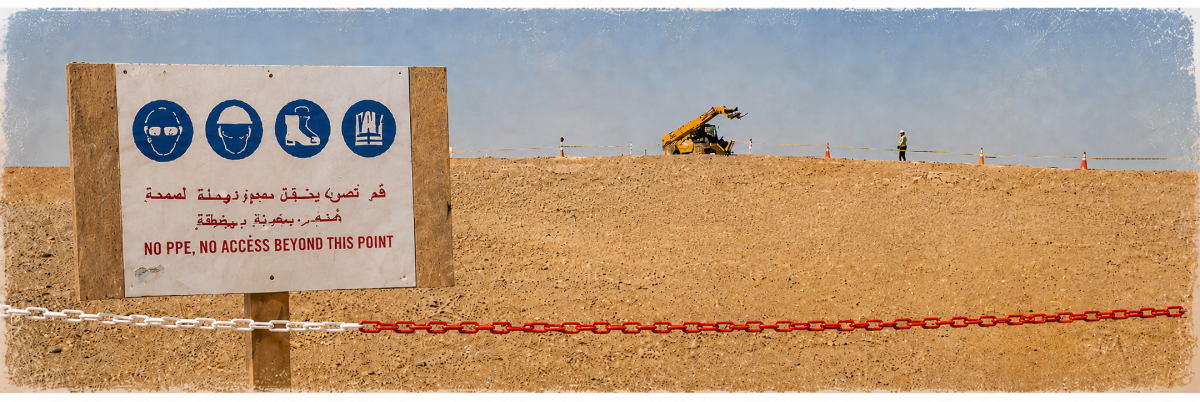
La segnaletica non è normalmente vista come una delle questioni prioritarie nella gestione della sicurezza. Non è difficile imbattersi in ambienti di lavoro in cui sono presenti segnali vecchi, danneggiati e scoloriti, relitti di condizioni lavorative passate e che oggi non sono più coerenti. Oppure magari segnali improvvisati, pizzini posticci applicati con nastro adesivo o, peggio, avanzi di un cartellone, senza potere capire quale prescrizione o avviso qualcuno, nel passato, ha reputato necessario trasmettere.
Il corso è rivolto a ASPP/RSPP, Dirigenti, Preposti, Formatori, Coordinatori di cantiere, Datori di lavoro, Ingegneri, Architetti, Geometri, Periti Industriali e a tutte le figure lavorative che si occupano di Qualità Ambiente e Sicurezza
Pubblicata la registrazione del webinar di martedì 2 febbraio 2021
Nel luglio scorso, l’ISO (International Organization for Standardization) ha rilasciato lo standard ISO/TS 24179:2020 “Human resource management — Occupational health and safety metrics”, “Gestione delle risorse umane – Metriche di salute e sicurezza sul lavoro”. Il nuovo standard definisce le formule per il reporting interno ed esterno per ottenere misure comparabili per il monitoraggio e la misurazione delle prestazioni relative alla salute, sicurezza e benessere dell’organizzazione. La norma enfatizza le questioni che devono essere considerate nell’interpretazione dei dati, in particolare quando si specificano azioni o misure correttive o per affrontare opportunità e quando si comunicano a stakeholder interni (come lavoratori e partner) o esterni (come investitori e autorità di regolamentazione).
Come gestire un cantiere definendo un processo di misurazione e monitoraggio, a integrazione e supporto di quello definito dalla norma come responsabilità del coordinatore per l’esecuzione? Per fare questo la sequenza può essere:
definire cosa misurare, che naturalmente deve corrispondere o essere pertinente ai requisiti definiti dalla norma e agli obiettivi che ci si era dati in fase di redazione del PSC;
determinare come eseguire il monitoraggio e le misurazioni, nonché come svolgere il confronto con gli obiettivi; in pratica le tecniche di misurazioni e monitoraggio, attraverso le quali si ottiene un numero che definisce la prestazione;
stabilire quali saranno i criteri di valutazione;
stabilire quando eseguire monitoraggio e misurazioni, questo in rapporto a come si sviluppano i processi all’interno dei quali occorre eseguire la misurazione;
determinare quanto eseguire, valutare e comunicare i risultati, importante, in funzione a come si è deciso di articolare il processo della comunicazione, di cui al requisito 7.4, tenendo naturalmente conto dei requisiti stabiliti dalla legge, nel nostro caso, dall’art. 92. c. 1 lett. e).
Una proposta per una scheda per registrare i sopralluoghi in cantiere che consente di raccogliere indicatori numerici
Misurazione e monitoraggio implicano che gli strumenti per le registrazioni che siamo abituati a vedere utilizzate nei cantieri, più simili ad elaborati resoconti notarili, con tanto di invocazione apotropaica alla fine (il contenuto di questo verbale costituisce aggiornamento del piano di sicurezza e coordinamento), che a vere e proprie check list cambino il loro aspetto, predisponendosi per ospitare numeri (misurazioni) o, più appropriatamente, risultati del monitoraggio (conforme, non conforme).
Come rappresentare le osservazioni nel periodo
La definizione di cosa misurare o assoggettare a monitoraggio è la questione strategica da affrontare per prima: è consigliabile che le categorie siano sufficientemente ampie da consentire l’aggregazione dei risultati, ma non generiche da non poterne distinguere il contenuto. Tanto per estremizzare, una sola voce generale riferita alle condizioni del cantiere (soddisfacente/non soddisfacente) probabilmente non consente di entrare nel dettaglio delle possibili deviazioni. Ma anche una checklist ultra-specialistica (sono state ruotate in direzione verticale le copiglie alle estremità dei vermi?) è utile solo se il nostro ambito è, appunto, talmente particolareggiato. Se l’obiettivo è quello di verificare come vengono implementate le prescrizioni del PSC si può partire dal contenuto che la norma definisce per questo, come, ad esempio, esemplata sul contenuto del D.Lgs. 81/2008, All. XV punti 2.2.1, 2.2.2, 2.2.3 e 2.2.4.
Leggi l’articolo I numeri del coordinatore sul numero 1/2021 di Igiene & Sicurezza del Lavoro di Wolters Kluwer.
La ISO definisce il termine prestazioni come i «risultati misurabili»; anche questo è un termine definito a livello di HLS, lo standard che la ISO si è data per armonizzare i propri sistemi di gestione. In sostanza, la valutazione delle prestazioni può essere intesa come quel processo in cui si confrontano gli obiettivi che il SSL si è dato all’inizio del ciclo PDCA con i risultati effettivamente raggiunti. Monitoraggio, invece, significa «determinazione dello stato di un sistema, di un processo o di un’attività», e implica un giudizio su di esso: positivo, negativo, migliore, peggiore… Misurazione, infine è definito come quel «processo per determinare un valore», e implica la determinazione di un valore numerico. Questo significa che il nostro processo, secondo il requisito 9.1, ha il fine di determinare sia gli stati che i valori, da confrontare con i riferimenti. Per fare questo, l’organizzazione deve:
definire cosa misurare, che naturalmente deve corrispondere o essere pertinente agli obiettivi che ci si era dati in fase di pianificazione;
determinare come eseguire il monitoraggio e le misurazioni, nonché come svolgere il confronto con gli obiettivi; in pratica le tecniche di misurazioni e monitoraggio, attraverso le quali si ottiene un numero che definisce la prestazione, dovranno fare sì che questo sia coerente col numero che definisce l’obiettivo;
stabilire quali saranno i criteri di valutazione;
stabilire quando eseguire monitoraggio e misurazioni, questo in rapporto a come si sviluppano i processi all’interno dei quali occorre eseguire la misurazione;
determinare quanto eseguire, valutare e comunicare i risultati, importante, in funzione a come si è deciso di articolare il processo della comunicazione, di cui al requisito 7.4.